-
Author, Survivor, and Thriver Shares 6 Tips for Anyone Suffering From Personal Tragedy
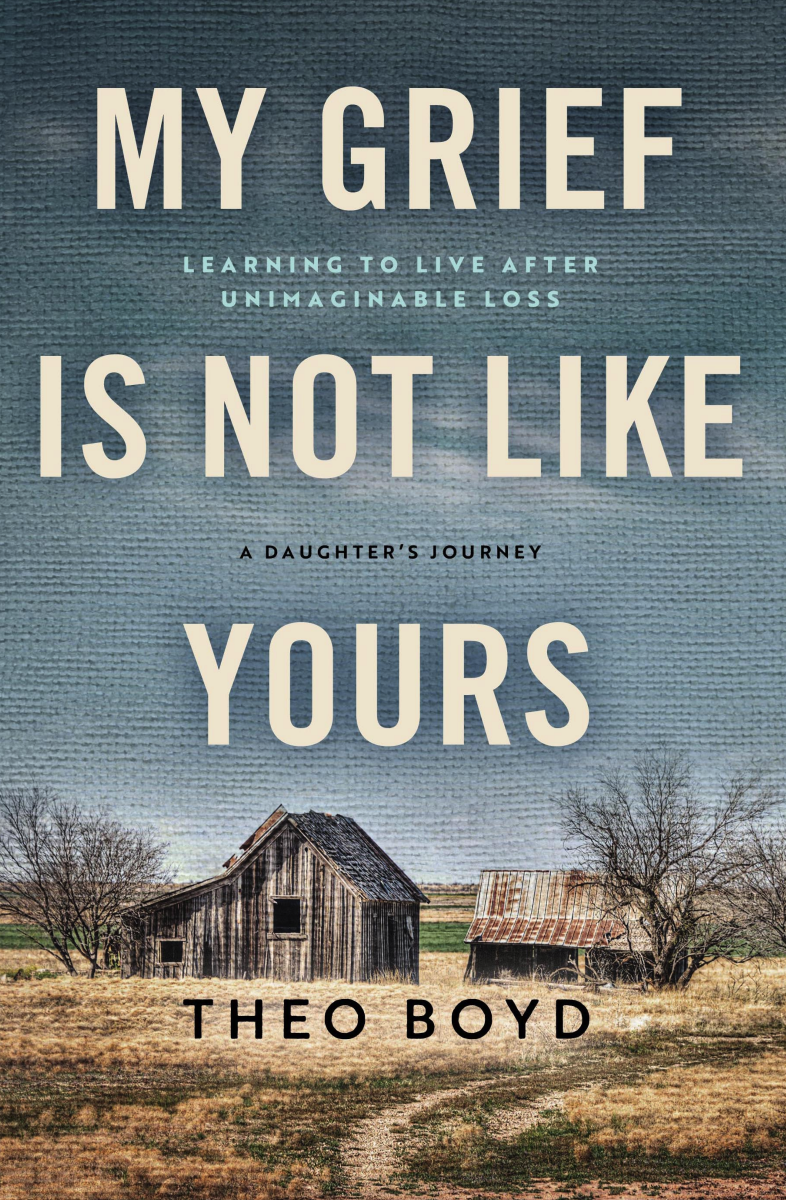
In June 2019, Theo Boyd was content and fulfilled. She enjoyed teaching high school English and was proud to have a daughter in college. She had a beautiful home in a Dallas suburb and a successful husband. And she had a close, loving relationship with her sister and her parents. Life had become what she had always wanted—until July 29, 2019. On that terrible day, her mother was killed in a tragic farming accident. She was run over by a tractor. And her father was the driver. In My Grief Is Not Like Yours, Boyd intertwines the story of her struggle with complicated grief, the type of heavy, lingering grief that follows an unexpected, unspeakable loss, with a tribute to her extraordinary parents and their devotion to each other. During an interview, Theo can share what she’s learned as a survivor and share insight for others who may be going through any traumatic experience:
- Keep in touch. Reach out to loved ones, friends, and spiritual leaders for comfort, understanding, and healing. Surround yourself with people who are willing to listen when you need to talk, as well as those who’ll offer a shoulder to lean on when you’d rather be silent.
- Grieve in your way. Do what’s right for you, not necessarily someone else. There is no single “right” way to grieve. If you find it too painful to visit your loved one’s gravesite or share the details of your loved one’s death, wait until you’re ready.
- Be prepared for painful reminders. Anniversaries, holidays, and other special occasions can be painful reminders of your loved one’s suicide. Don’t beat yourself up for being sad or mournful. Instead, consider changing or suspending family traditions that are too painful to continue.
- Don’t rush yourself. Losing someone to suicide is a tremendous blow, and healing must occur at its own pace. Don’t be hurried by anyone else’s expectations that it’s been “long enough.”
- Expect setbacks. Some days will be better than others, even years after the suicide — and that’s OK. Healing doesn’t often happen in a straight line.
- Consider a support group for families affected by suicide. Sharing your story with others experiencing the same grief might help you find a sense of purpose or strength. However, if you find going to these groups keeps you ruminating on your loved one’s death, seek out other methods of support.

About the Author
Theo Boyd, named Thelizabeth after her two grandmothers, Thelma and Elizabeth, is a farmgirl at heart. For most of her adult life, she lived in Waxahachie, Texas, about 30 minutes south of Dallas, where she taught high school English, raised her daughter, and actively volunteered in various organizations, her community, and her church. After 30 years, she moved back to her hometown of Whitney, Texas, to come to terms with the death of her mother in a tragic farming accident, followed three years later by her father’s suicide. She now devotes her time to writing and speaking about loss, grief, and faith with the mission of helping others find comfort and hope.
-
September is Suicide Prevention and Deaf Awareness Month: Author, Survivor, and Thriver Shares 6 Tips for Anyone Suffering From Personal Tragedy
In June 2019, Theo Boyd was content and fulfilled. She enjoyed teaching high school English and was proud to have a daughter in college. She had a beautiful home in a Dallas suburb and a successful husband. And she had a close, loving relationship with her sister and her parents. Life had become what she had always wanted—until July 29, 2019. On that terrible day, her mother was killed in a tragic farming accident. She was run over by a tractor. And her father was the driver. In My Grief Is Not Like Yours, Boyd intertwines the story of her struggle with complicated grief, the type of heavy, lingering grief that follows an unexpected, unspeakable loss, with a tribute to her extraordinary parents and their devotion to each other. During an interview, Theo can share what she’s learned as a survivor and share insight for others who may be going through any traumatic experience:
- Keep in touch. Reach out to loved ones, friends, and spiritual leaders for comfort, understanding, and healing. Surround yourself with people who are willing to listen when you need to talk, as well as those who’ll offer a shoulder to lean on when you’d rather be silent.
- Grieve in your way. Do what’s right for you, not necessarily someone else. There is no single “right” way to grieve. If you find it too painful to visit your loved one’s gravesite or share the details of your loved one’s death, wait until you’re ready.
- Be prepared for painful reminders. Anniversaries, holidays, and other special occasions can be painful reminders of your loved one’s suicide. Don’t beat yourself up for being sad or mournful. Instead, consider changing or suspending family traditions that are too painful to continue.
- Don’t rush yourself. Losing someone to suicide is a tremendous blow, and healing must occur at its own pace. Don’t be hurried by anyone else’s expectations that it’s been “long enough.”
- Expect setbacks. Some days will be better than others, even years after the suicide — and that’s OK. Healing doesn’t often happen in a straight line.
- Consider a support group for families affected by suicide. Sharing your story with others experiencing the same grief might help you find a sense of purpose or strength. However, if you find going to these groups keeps you ruminating on your loved one’s death, seek out other methods of support.
About the Author
Theo Boyd, named Thelizabeth after her two grandmothers, Thelma and Elizabeth, is a farmgirl at heart. For most of her adult life, she lived in Waxahachie, Texas, about 30 minutes south of Dallas, where she taught high school English, raised her daughter, and actively volunteered in various organizations, her community, and her church. After 30 years, she moved back to her hometown of Whitney, Texas, to come to terms with the death of her mother in a tragic farming accident, followed three years later by her father’s suicide. She now devotes her time to writing and speaking about loss, grief, and faith with the mission of helping others find comfort and hope.