-
Major US City Takes Stand on Social Media Impact on Youth Mental Health
The first announcement, from end of January 2024 marks a significant step forward in recognizing the potential risks associated with excessive social media use. It is a move that hopefully creates ripples not only in the US, but also internationally, as more and more authorities around the world take a clear stance in this matter.
Mayor Adams draws parallels to historic actions taken against tobacco and guns, and is leading the charge to ensure that tech companies take responsibility for the impact of their platforms on users. Citing data that indicates a decline in the mental health of young New Yorkers over the past decade, the mayor has taken a clear stance against popular social media platforms accusing them of contributing to a mental health crisis through addictive features.
Is this just a personal opinion by Mayor Adams then? Not at all. It’s important to note that this move aligns with the advisory issued by Surgeon General Vivek Murthy in May 2023, where he highlighted the potential “profound risk” to youth mental health associated with excessive social media use. The advisory acknowledged the dual nature of social media, recognizing both positive and negative effects. While some adolescents reported feeling more accepted through social media, Murthy emphasized the lack of conclusive evidence on its overall safety for young users.
Mayor Adams sends a strong message that the well-being of the city’s youth is a top priority. However, it’s crucial to strike a balance between addressing potential hazards and recognizing the positive aspects of social media. Pew Research indicates that 59% of adolescents feel more accepted through these platforms, highlighting the importance of a nuanced perspective.
While very strong, the declaration aligns with international trends as more and more countries are issuing recommendations about restricting social media use and screen time among kids and adolescents.
The lawsuit, filed mid-February 2024, is the first of its kind amongst major American cities and claims that the social media platforms’ exploitation of young users’ mental health costs the city $100 million per year in related health programs.
Mayor Adams expressed a worry not only about young users’ mental health, but the effects that ubiquitous connectivity has on their overall lives.
What can you do? Finding the balance between the positive effects of social media and the potential harm, some tips for handling social media responsibly include open communication with your kids, setting concrete limits, following age guidelines, utilizing digital well-being features, and positive engagement.
“A critically important topic, with a wealth of practical tips that will instantly help you get more balanced with the technology in your life.” —Jorn Rigter, co-founder & CTO of Unpluq
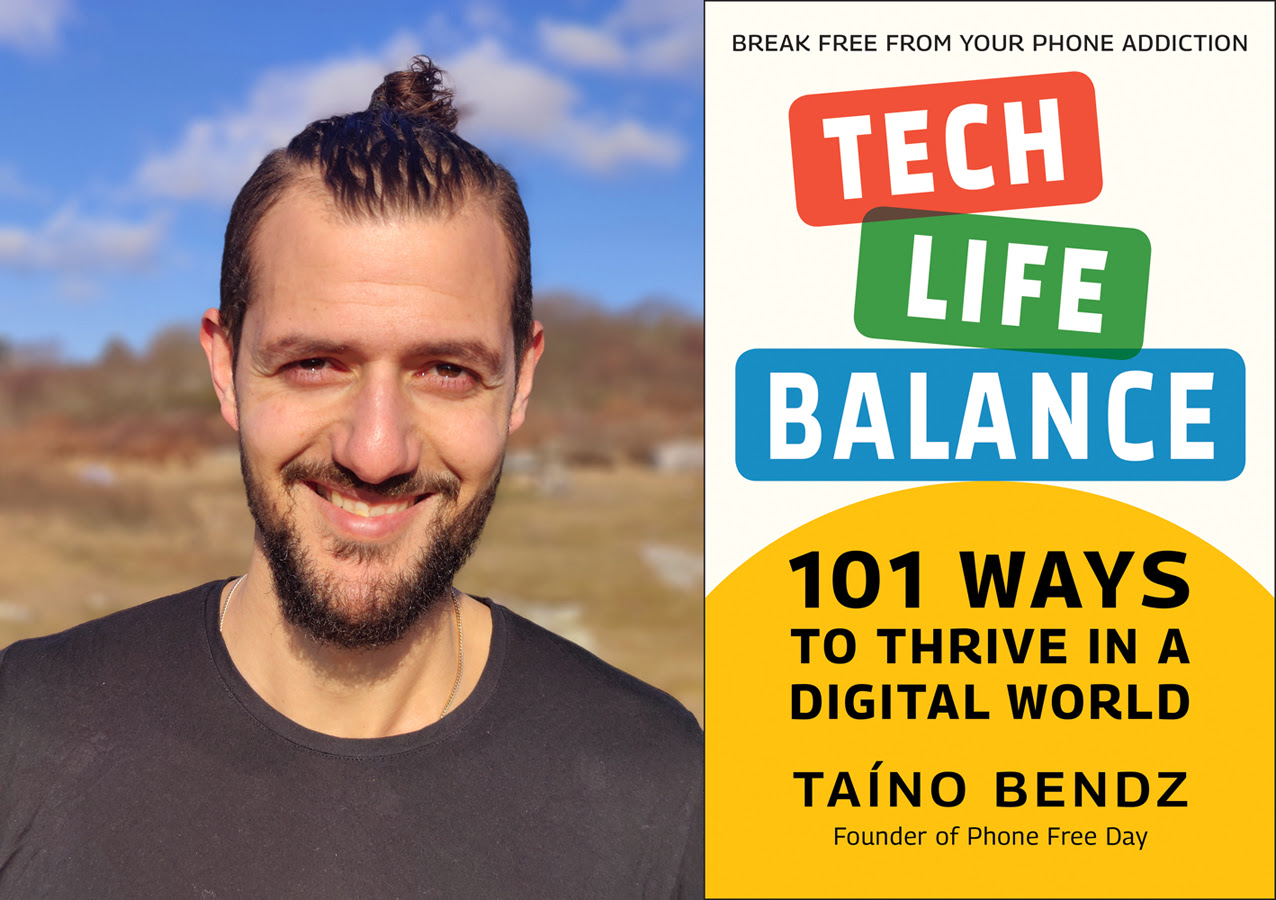
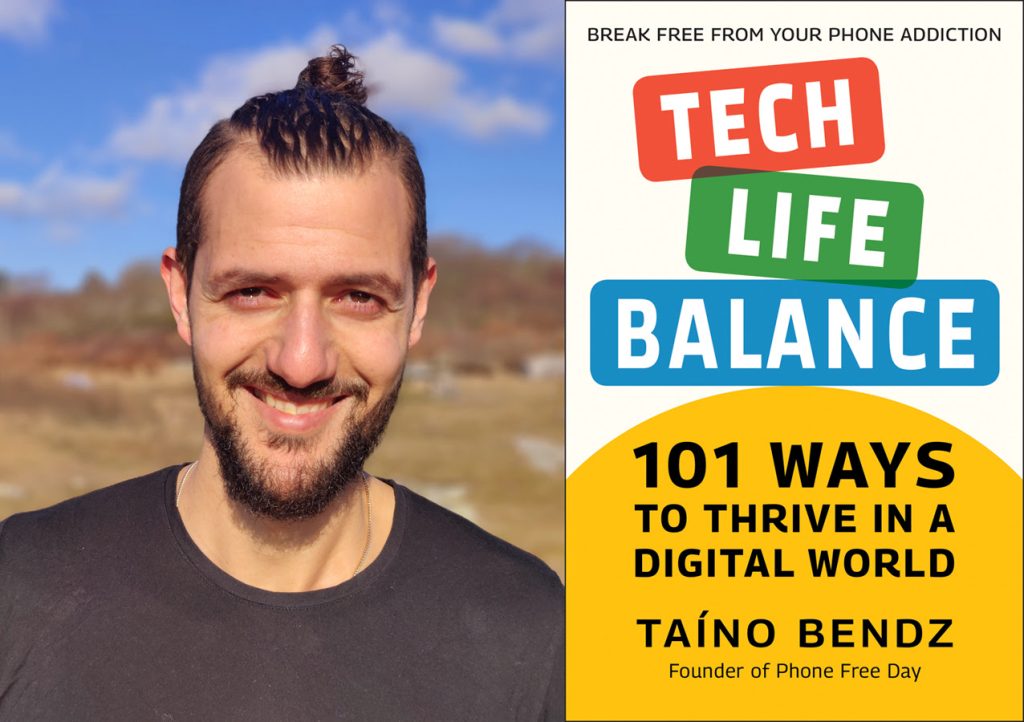
Taíno Bendz is the founder of Phone Free Day and his own consulting business, and his message on mindful and intentional technology usage has reached and inspired hundreds of thousands of people around the world. He is a public speaker, workshop facilitator, and conducts research on digital technology usage. Taíno holds a Master’s Degree in Industrial Engineering and Management and has spent the last 10 years working in technology sectors such as renewable energy, healthcare IT, and software automation. He currently lives in Sweden with his partner and two young sons.
-
Major US City Takes Stand on Social Media Impact on Youth Mental Health
In two groundbreaking moves over the past couple months, New York City Mayor Eric Adams has not only officially classified social media as a “public health hazard” and an “environmental toxin,” but also filed a lawsuit against TikTok, Instagram, Facebook, Snapchat and YouTube.
The first announcement, from end of January 2024 marks a significant step forward in recognizing the potential risks associated with excessive social media use. It is a move that hopefully creates ripples not only in the US, but also internationally, as more and more authorities around the world take a clear stance in this matter.
Mayor Adams draws parallels to historic actions taken against tobacco and guns, and is leading the charge to ensure that tech companies take responsibility for the impact of their platforms on users. Citing data that indicates a decline in the mental health of young New Yorkers over the past decade, the mayor has taken a clear stance against popular social media platforms accusing them of contributing to a mental health crisis through addictive features.
Is this just a personal opinion by Mayor Adams then? Not at all. It’s important to note that this move aligns with the advisory issued by Surgeon General Vivek Murthy in May 2023, where he highlighted the potential “profound risk” to youth mental health associated with excessive social media use. The advisory acknowledged the dual nature of social media, recognizing both positive and negative effects. While some adolescents reported feeling more accepted through social media, Murthy emphasized the lack of conclusive evidence on its overall safety for young users.
Mayor Adams sends a strong message that the well-being of the city’s youth is a top priority. However, it’s crucial to strike a balance between addressing potential hazards and recognizing the positive aspects of social media. Pew Research indicates that 59% of adolescents feel more accepted through these platforms, highlighting the importance of a nuanced perspective.
While very strong, the declaration aligns with international trends as more and more countries are issuing recommendations about restricting social media use and screen time among kids and adolescents.
The lawsuit, filed mid-February 2024, is the first of its kind amongst major American cities and claims that the social media platforms’ exploitation of young users’ mental health costs the city $100 million per year in related health programs.
Mayor Adams expressed a worry not only about young users’ mental health, but the effects that ubiquitous connectivity has on their overall lives.
What can you do? Finding the balance between the positive effects of social media and the potential harm, some tips for handling social media responsibly include open communication with your kids, setting concrete limits, following age guidelines, utilizing digital well-being features, and positive engagement.
My hope it that this will spark a conversation and have a positive impact on both youth and adult mental health.
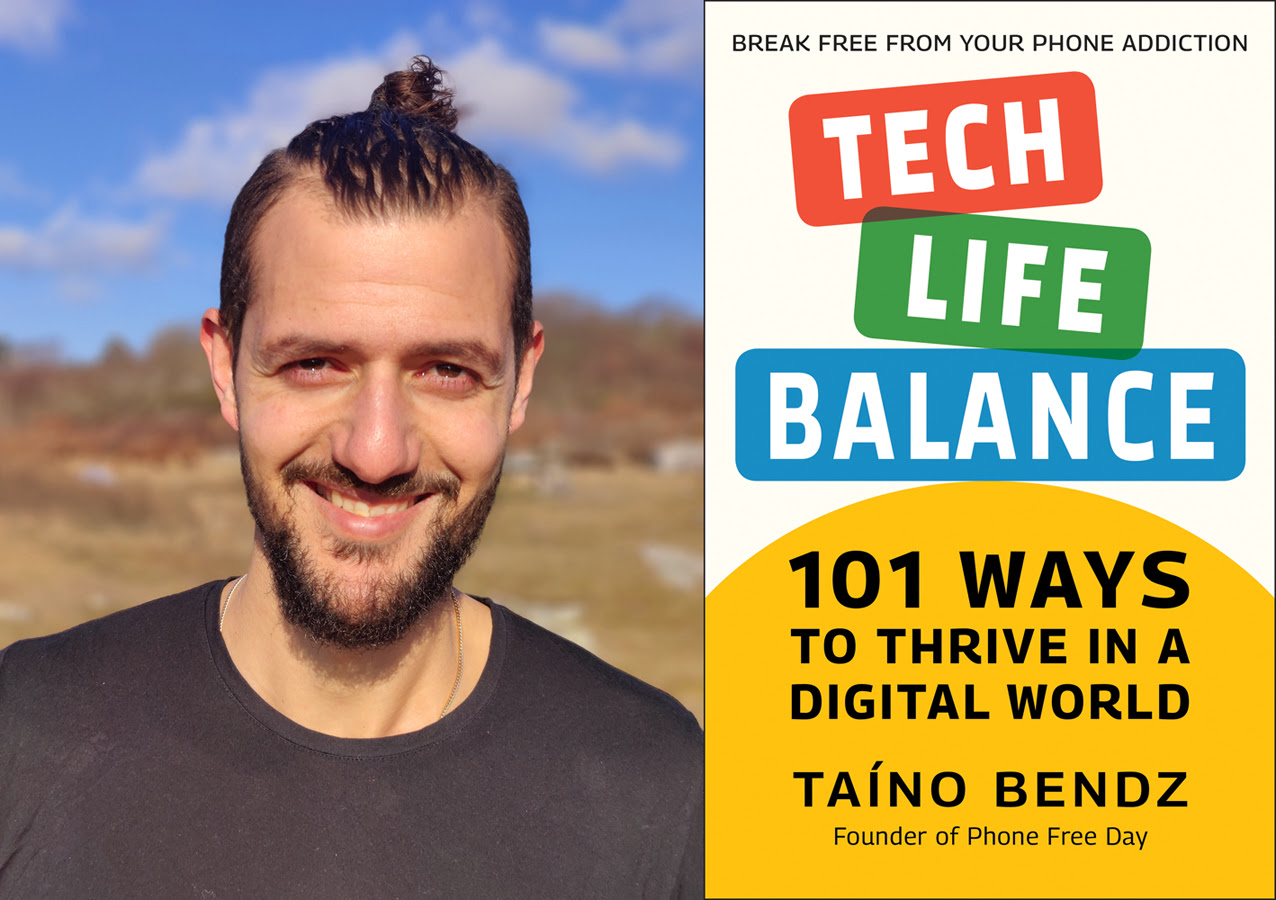
“A critically important topic, with a wealth of practical tips that will instantly help you get more balanced with the technology in your life.” —Jorn Rigter, co-founder & CTO of Unpluq
Taíno Bendz is the founder of Phone Free Day and his own consulting business, and his message on mindful and intentional technology usage has reached and inspired hundreds of thousands of people around the world. He is a public speaker, workshop facilitator, and conducts research on digital technology usage. Taíno holds a Master’s Degree in Industrial Engineering and Management and has spent the last 10 years working in technology sectors such as renewable energy, healthcare IT, and software automation. He currently lives in Sweden with his partner and two young sons.
-
Easy Ways for Tech-Life Balance
Screen-time continues to be a hot topic around the globe. Despite new moderation legislation coming out, the big tech companies being increasingly scrutinized, and a growing awareness of the dark side of a tech overdose, the usage of smartphones, social media and other digital tech continues to rise.
While these movements are taking place at a societal level, there is so much that you as an individual can do to make sure that you have a healthy relationship with tech – and there is so much to gain! Below, I share 5 easy ways.
1. Set Digital Boundaries. It’s important to set limits on how much time you spend online, especially on social media which is designed to keep us on their platforms. You can do this by scheduling specific times for checking emails, browsing social media, or using other digital devices, and using your devices to set app limits (and not override them)!
2. Practice Mindful Use of Technology. Before using your phone or computer, take a moment to ask yourself why you’re using it. Is it to communicate with someone or for work? Or are you mindlessly scrolling through social media? Doing this can help you use it more intentionally and reduce the time you spend on unproductive or unhealthy activities. And once you have made the decision to use it, make sure that is what you do use it for and not get sidetracked into something else!
3. Take Breaks. Try to take breaks from digital devices throughout the day. This can help you reduce eye strain, improve your posture, and even prevent burnout. You can take a short walk, a couple of deep breaths, or do something else that you enjoy which doesn’t require screen time. Even if your work requires you to be in front of a computer most of the day, find a few minutes every hour to stretch and give your eyes a break.
4. Use Technology to Improve your Well-Being. Having tech-life balance means realizing that technology can also work for you. There are many digital tools and apps that can help you improve your mental and physical health. For example, you can use mindfulness apps, fitness trackers, or meditation apps to help you manage stress and improve your overall well-being.
5. Build Human Connections. While technology can help us connect with others, it’s important to also build connections in the analog world, which research shows is essential for our well-being. This can include spending time with friends and family, joining social clubs, or participating in community events. By all means, you can use the devices to find people to connect to in the outside world as well.
Whether you try one, a few, or all five of these healthy habits, make sure to focus on what you are getting, not what you are giving up. Research shows over and over again that small steps to improve our digital well-being leads to increased overall well-being, focus, and even happiness.
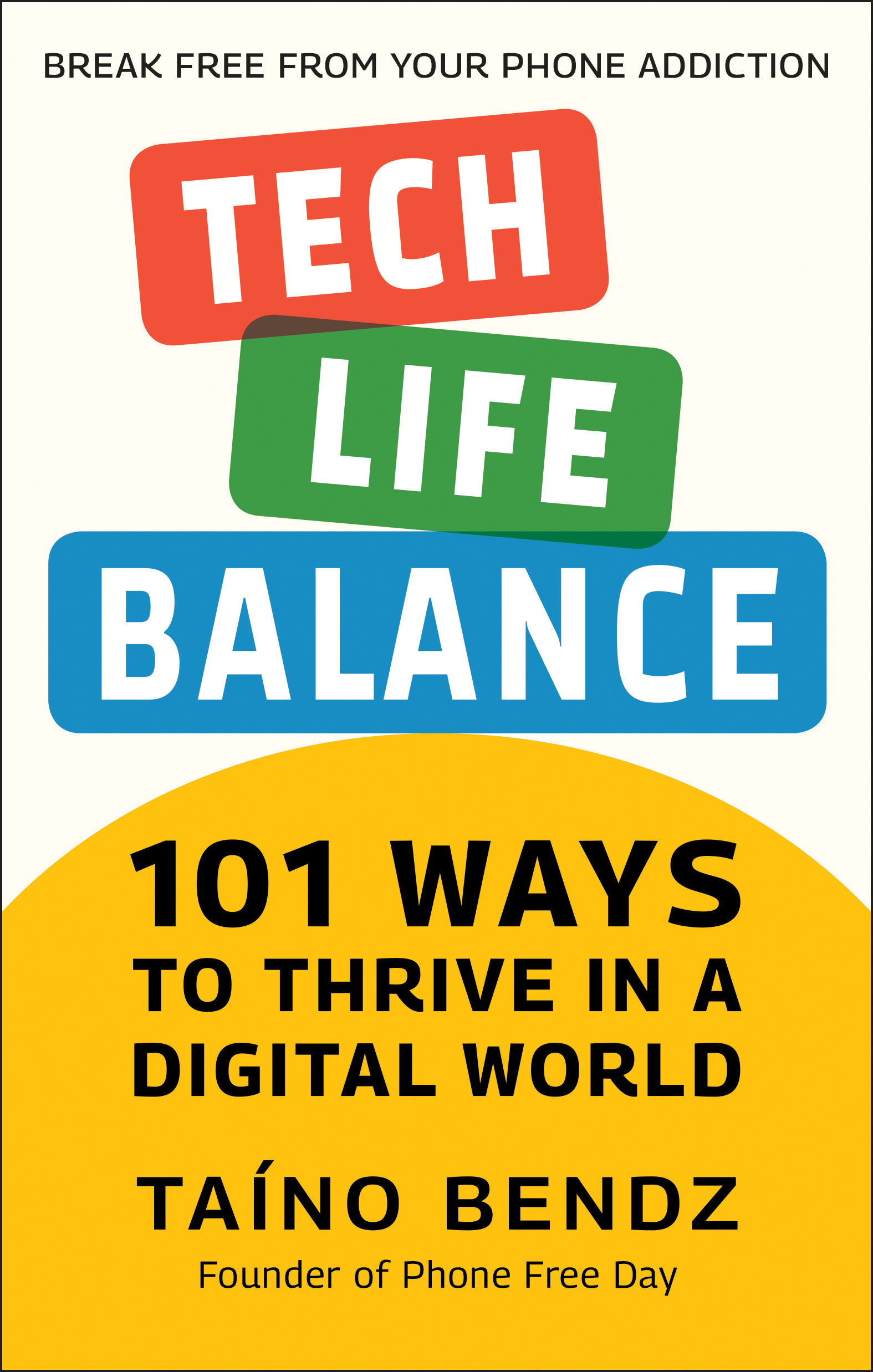
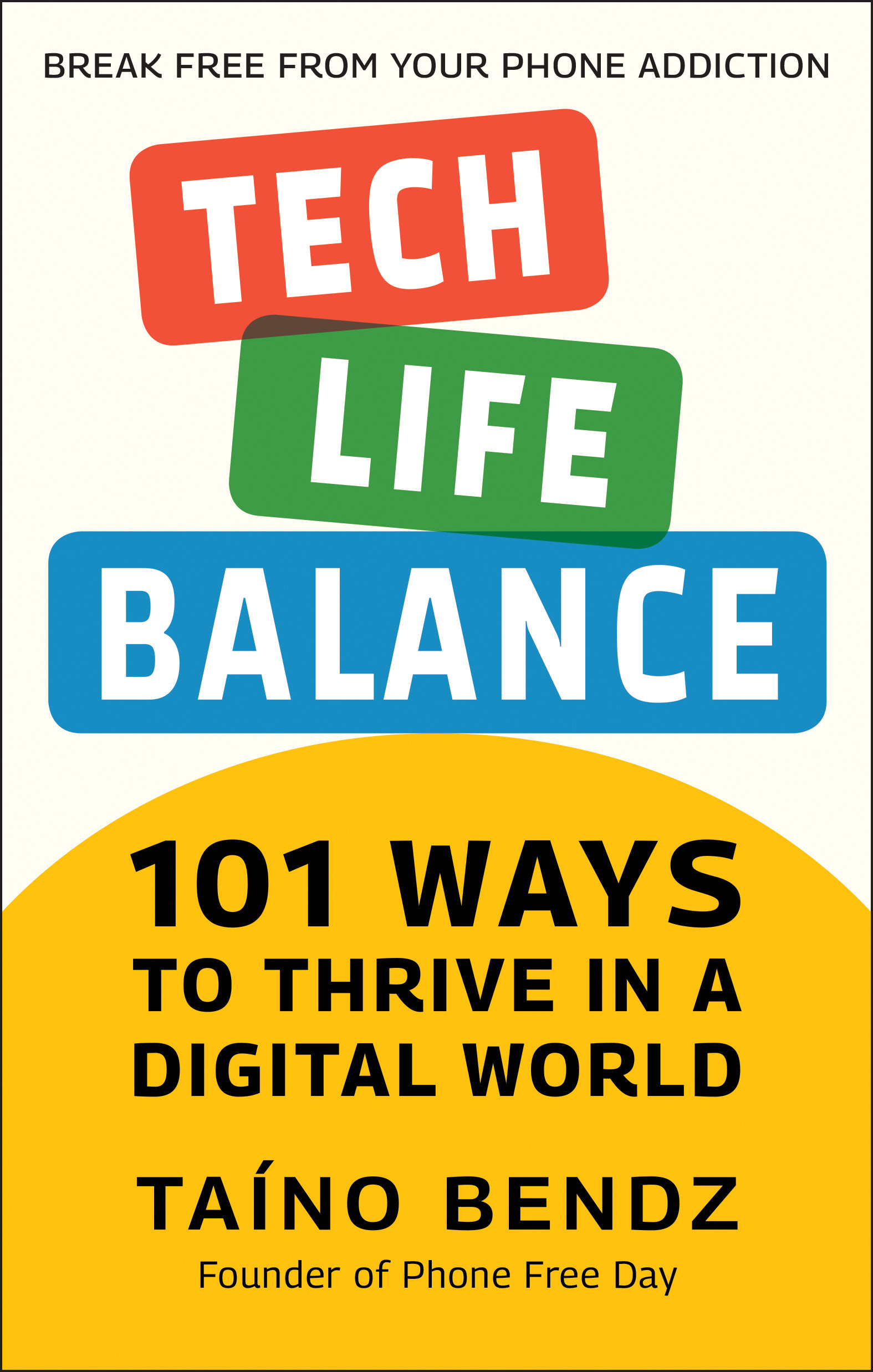
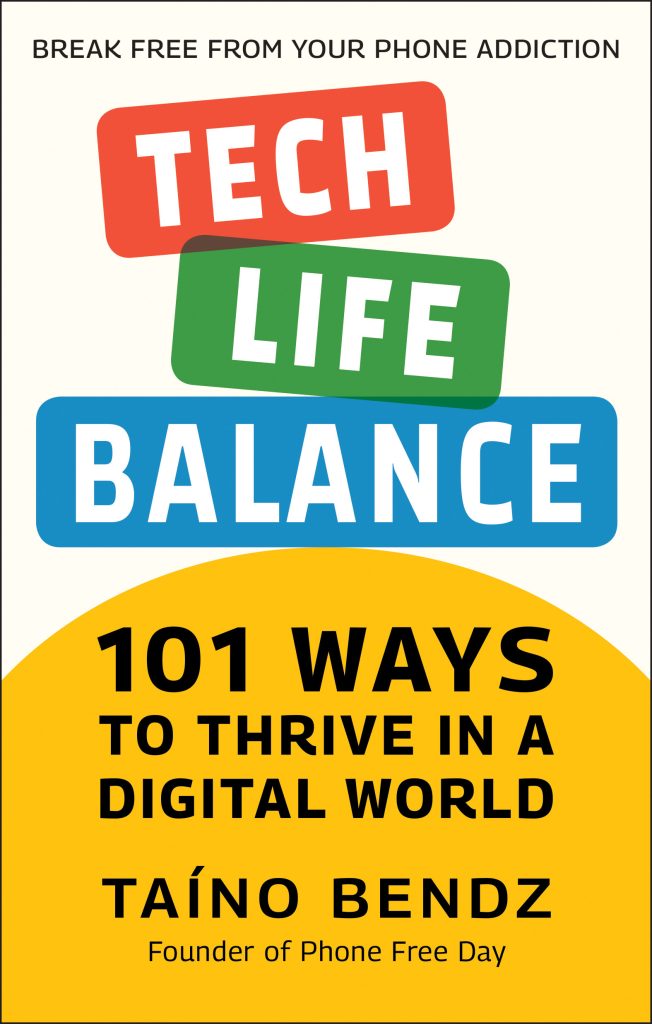
For more similar strategies and tips, check out my new book Tech-Life Balance: 101 Ways to Thrive in a Digital World.
About the Author
Taíno Bendz is the founder of Phone Free Day and his own consulting business, and his message on mindful and intentional technology usage has reached and inspired hundreds of thousands of people around the world. He is a public speaker, workshop facilitator, and conducts research on digital technology usage. Taíno holds a Master’s Degree in Industrial Engineering and Management and has spent the last 10 years working in technology sectors such as renewable energy, healthcare IT, and software automation. He currently lives in Sweden with his partner and two young sons.
-
Tech-Life Balance: 101 Ways to Thrive in a Digital World
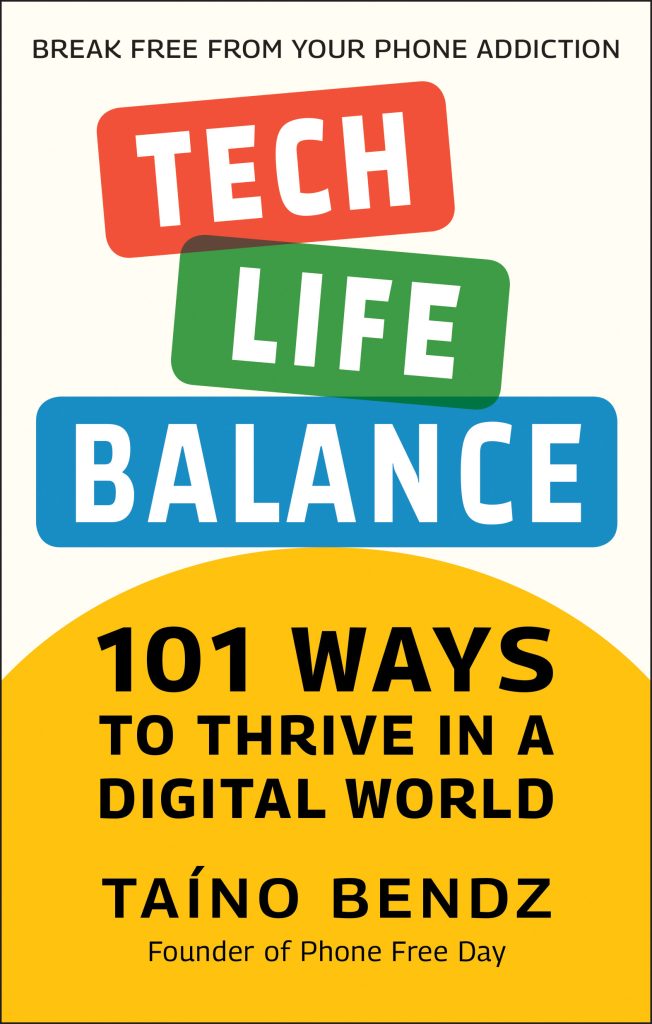
tech-life balancealso tech/life balance (noun)using technology in a way that doesn’thave a negative effect on your personallife or relationships
How often do you look at your phone? Does it feel like you can’t go five minutes without browsing social media, checking your email, or sending a text?
In the modern digital age, being connected 24/7 is more than a habit—it seems like a necessity. Tech-Life Balance tackles the very real issue of being addicted to our devices with 101 easy-to-implement life hacks to rein in your tech use, reclaim your life and achieve digital wellness.
With Tech-Life Balance, you’ll learn to:
• Set personal boundaries, designating specific spaces and times as “tech-free”
• Manage screen time and your social media presence to limit mindless scrolling
• Adopt productive work habits to stay focused and on-task
• Improve personal relationships by minimizing tech clutter
• Become healthier and more active, just by putting your phone away
• Identify tech-life balance promoting apps to help you organize your timeBy following the practices in this book, you can improve your health, sharpen your focus and learn to experience life in a whole new way.
“I can’t think of a better guide for this than Taíno. He’s thought long and deep on the topic so you don’t have to. This book is the result. All change starts somewhere. Much of it starts small: you might find the situation and present challenges overwhelming, but you shouldn’t. Try things, learn, and try again. I’ve found it a huge help in re-finding myself in the chaos of life today.” —HECTOR HUGHES, co-founder of Unplugged
About the Author
Taíno Bendz is the founder of Phone Free Day and his own consulting business, and his message on mindful and intentional technology usage has reached and inspired hundreds of thousands of people around the world. He is a public speaker, workshop facilitator, and conducts research on digital technology usage. Taíno holds a Master’s Degree in Industrial Engineering and Management and has spent the last 10 years working in technology sectors such as renewable energy, healthcare IT, and software automation. He currently lives in Sweden with his partner and two young sons.