-
Signs of Low Testosterone
The hormone fundamental in shaping male physical and sexual features is a vital component of men’s health. As men grow older, their main male hormone levels naturally decline. Nevertheless, some may experience a substantial decrease that can lead to Low T, a condition that can negatively impact their overall well-being.
Low testosterone symptoms manifest differently in each person, and some may not experience any symptoms at all. Nevertheless, recognizing the warning signs of Low T is crucial for seeking appropriate medical care, such as testosterone replacement therapy in Clovis, and improving one’s quality of life. The purpose of this article is to explore typical indicators of low testosterone and offer practical advice on how to recognize this condition.
Low Testosterone: Symptoms That Can’t be Ignored
Spotting the Low T symptoms can be tricky, especially since they may only become apparent when hormone levels have significantly declined. Nevertheless, some of the most commonly occurring indicators include:
- When a man’s primary male hormone levels take a dip, it can create obstacles in his love life. This hormone is a key ingredient when it comes to a man’s sexual desire. When levels plummet, his sex drive takes a hit.
- Another symptom of decreased production of the main male hormone is erectile dysfunction, making it difficult to achieve and sustain an erection during intimate moments.
- Feeling drained and exhausted is another symptom of low T levels. A man may feel weak and fatigued, making even mundane tasks feel like a hassle.
- Men with Low T also face challenges with excess body fat. This condition can trigger an increase in body fat, primarily around the midsection, posing a potential health problem.
- Moreover, reduced testosterone levels can significantly impact a man’s emotional well-being. It can cause changes in mood, leading to irritability, depression, and other emotional disturbances that can affect overall health and happiness.
Signs of Low Testosterone in Men: What to Watch out for
In addition to the symptoms we mentioned earlier, it’s crucial to take into account certain physical cues in men that point to a decline in main male hormone synthesis:
- The production of body hair is significantly influenced by testosterone levels. Scant levels of this hormone can result in a reduction of body hair growth.
- A hormonal imbalance caused by Low T can result in the growth of breast tissue in men, a condition referred to as gynecomastia.
- The primary male hormone plays a crucial role in maintaining strong and healthy bones. Inadequate testosterone synthesis can lead to weaker bones and an increased risk of fractures.
If you’re noticing any of the symptoms or physical signs mentioned earlier, it’s essential to consult with your healthcare provider. A straightforward blood test can measure your hormone levels, and based on the results, your doctor can suggest suitable treatment options.
In summary, Low T can severely affect a man’s overall well-being, but identifying the symptoms of low testosterone is the first step towards seeking appropriate treatment and improving your quality of life. If you have noticed any of the signs of low testosterone, it’s important to speak with your healthcare provider without delay.
-
The Original Stretchlace for Shoes and Boots
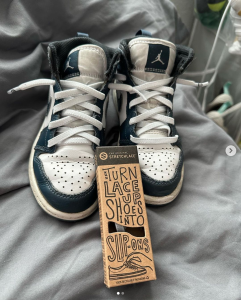
Niko is 4 and a half and man does he know everything… Everything but how to tie his shoes! He picks his outfit everyday down to the shoes. The Original Stretchlace is about to change the game for him. I was recently gift these magically laces and I put them in his high tops and Jordan Ones. I can’t wait to see him in these big boy shoes 🙂
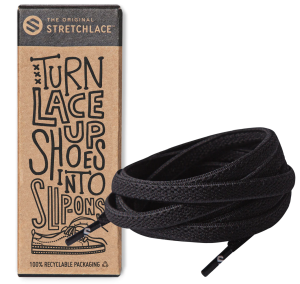
While lacing your shoes for the first time, keep your foot in the shoe and lace upward. If that is not possible just be sure to leave enough room for your foot to slip in and out. Lace each end into the base and ensure that lace lengths are even before weaving them through the lace holes. Keep the laces flat while lacing upward, ensure there are now twists.
Pull the bow TAUT while ensuring you are leaving enough room to get your foot in/out.

-
Calgee Supplements Celebrates World Oceans Day
Celebrate World Oceans Day with vegan friendly Omega 3s from Calgee! No fishy taste at all and developed with our ocean friends in mind. Have you tried the Fish-Free Supplement? Sustainability is also baked into every single step of our manufacturing process. That’s why we use Life’s Omega, the only single-sourced and unblended DHA and EHA algae oil. Using proprietary extraction methods, algae is grown in a controlled indoor environment with no added chemicals or toxins. This results in a minimal environmental footprint. The packaging uses eco-friendly and recyclable or compostable materials whenever possible. Calgee pouches are made from plant-based plastic (derived from sugarcane versus oil). Since they’re made from renewable resources, their production process is carbon negative. This means that the production of these pouches actually removes more carbon dioxide from the atmosphere than it emits.
Production of Calgee pouches generated a negative carbon footprint of 31 kg after taking production and logistics emissions into account!
The Problem:
Traditional Omega 3 is not always great for the planet.Traditional fish oil hurt marine ecosystem through destructive overfishing.
Vegan algae oil supplements contain carrageenan.
The Solution:
Created a pure, potent algae oil free of anything you don’t need in your body.Our tapioca soft gel contains no carrageenan.
We strive only to use post-consumer recycled content in our packaging.

Thank you Calgee! World Ocean Day rallies the world for ocean and climate action on 8 June and throughout the year. We work in partnership with youth leaders, zoos, aquariums, museums, and other youth-focused organizations, as well as a huge range of diverse organizations and businesses from all sectors in a growing global network. Together, we effectively engage the public, inform policymakers, and unite the world to protect and restore our shared ocean and create a stable climate. Join the growing global movement in June and continue to grow the engagement and action year-round!
-
Owala® Kids’ FreeSip® Bottle

Sip, sip, hooray! The wait is officially over. The new Kids’ FreeSip bottle is leak-proof (when closed), insulated, and comes in fun colors that will make it the envy of the playground. Plus, it sports the same two-way spout (for sippin’ or swiggin’) as the OG FreeSip bottle. What can we say? It’s a chip off the ol’ block.
- Available NOW on Owalalife.com
- Coming 7/1 to Target.com
- Capacity: 16oz
- MSRP: $22.99
- Colors: Snow Dragon, Bunny Business, Sand Box, Sea Monster, Splishy Splashy
-
Nurturing the Bond: 5 Pitfalls that Can Impact the Owner-Dog Relationship
By: Dr. Sara Hopkins, the founder of Compassion 4 Paws

The bond between pet owners and their dogs is a special and cherished relationship. However, certain factors can affect this bond in various ways. In this educational article, we will explore five key factors that can impact this human-animal bond. By understanding these factors and making conscious choices, pet owners can create a stronger, healthier, and more fulfilling connection with their furry companions.
Speaking Their Language
Communication is the foundation of any relationship, and it’s no different when it comes to our dogs. Understanding their unique language helps us connect on a deeper level. Dogs communicate through body language, facial expressions, and vocalizations. Learning to interpret their signals and respond appropriately fosters trust and strengthens the bond. Tail wagging, ear positions, and vocal cues can provide valuable insights into their emotions and needs. It is important that owners not only recognize signs of happiness and joy, but also signs of anxiety and fear should the dog be in an uncomfortable situation. By actively listening and responding to our dogs’ communication cues, we increase their sense of security and trust, thereby building a stronger connection.
Building Trust and Confidence
Training is an integral part of bonding with our dogs. Positive reinforcement training, which involves rewarding desired behaviors, creates a nurturing and cooperative environment. Rather than resorting to punitive measures, we should motivate and guide our dogs through treats, praise, and affection. This approach builds trust, confidence, and mutual respect. Basic obedience, commands and tricks not only strengthens the bond but also stimulates their minds and enhances their overall well-being. Patience, consistency, and understanding are key to successful positive reinforcement training.
Sharing Experiences
Just as humans thrive on quality time spent with loved ones, dogs enjoy shared experiences with their people. Regular walks, play sessions, and interactive games not only provide exercise, but stimulate the pup’s mental and emotional well-being, further strengthening the human-animal bond. The list of activities is endless… exploring new environments, visiting dog parks, or participating in activities such as agility and nose work. All these activities can be tailored to an individual dog’s age and health. Lounging, cuddling, finding that perfect scratch spot, and simply being present during quiet moments further foster a sense of security and love. By prioritizing dedicated time together, pet owners can create lasting memories and strengthen their bond with their canine companions.
A Foundation of Security
Trust is the cornerstone of any relationship, and it holds true for our dogs as well. Establishing trust requires consistency in our interactions, routines, and expectations. Dogs thrive when they know what to expect from their owners and they do well with routines. Consistency in training methods, rules, and boundaries helps them feel secure and confident. Dogs like to know what to expect! It is important to remember that trust takes time to develop and can be easily eroded. By being reliable, dependable, and consistent in our care, we foster a deeper sense of trust and strengthen the bond with our dogs.
Respecting Emotional Needs
Dogs have individual personalities with emotional states that should be recognized and respected. Understanding their mental and emotional state and acting appropriately is crucial for a strong bond. Dogs experience joy, fear, sadness, and anxiety, just like humans, and by observing their body language, we can gauge their emotional state and respond accordingly. Recognizing signs of stress, fear, or discomfort helps us provide a safe and nurturing environment. This builds trust as the dog understands we will remove them from stressful situations, further demonstrating our commitment to their well-being.
While cultivating a strong and meaningful bond with our dogs requires time, effort, and understanding, the reward is significant. By being mindful of these five factors—communication, positive reinforcement training, quality time and enrichment, trust and consistency, and emotional understanding—we can enhance our relationship with our furry friends. As pet owners, it is our responsibility to nurture and cherish this bond, as it not only brings joy and companionship but also contributes to our dogs’ overall well-being. By prioritizing these factors, we can create a lasting and fulfilling connection with our canine companions that will enrich both our lives.
Bio
Sara Hopkins is the founder of Compassion 4 Paws, an in-home end-of-life care for pets service in the Pacific Northwest. She is a renowned veterinary professional with over two decades of experience in the field. In 2020, she was honored to join the IAAHPC Board of Directors and became President of the nonprofit in 2023.
With a passion for working with animals, Sara completed her veterinary education at Washington State University and went on to obtain her Certification in Veterinary Acupuncture through the International Veterinary Acupuncture Society in 2013. In 2013, she started Compassion 4 Paws to help pets and their parents through the end-of-life journey. In 2017, Sara became one of the first veterinarians in the world to achieve certification in Animal Hospice and Palliative Care through the IAAHPC, furthering her knowledge and ability to support pets and their families.
Sara lives in Edmonds, Washington with her husband Dennis, their son, and their furry friends, including dogs George and Roy, and cats Sushi and Freddie Purr-cury. In her free time, she enjoys traveling, camping, reading, crafting, and spending time with friends. With her passion and commitment to providing compassionate care to pets, Sara Hopkins is a true advocate for the human-animal bond.
-
Does everything tick you off lately?
Wondercide details the most common bugs and how to avoid them.
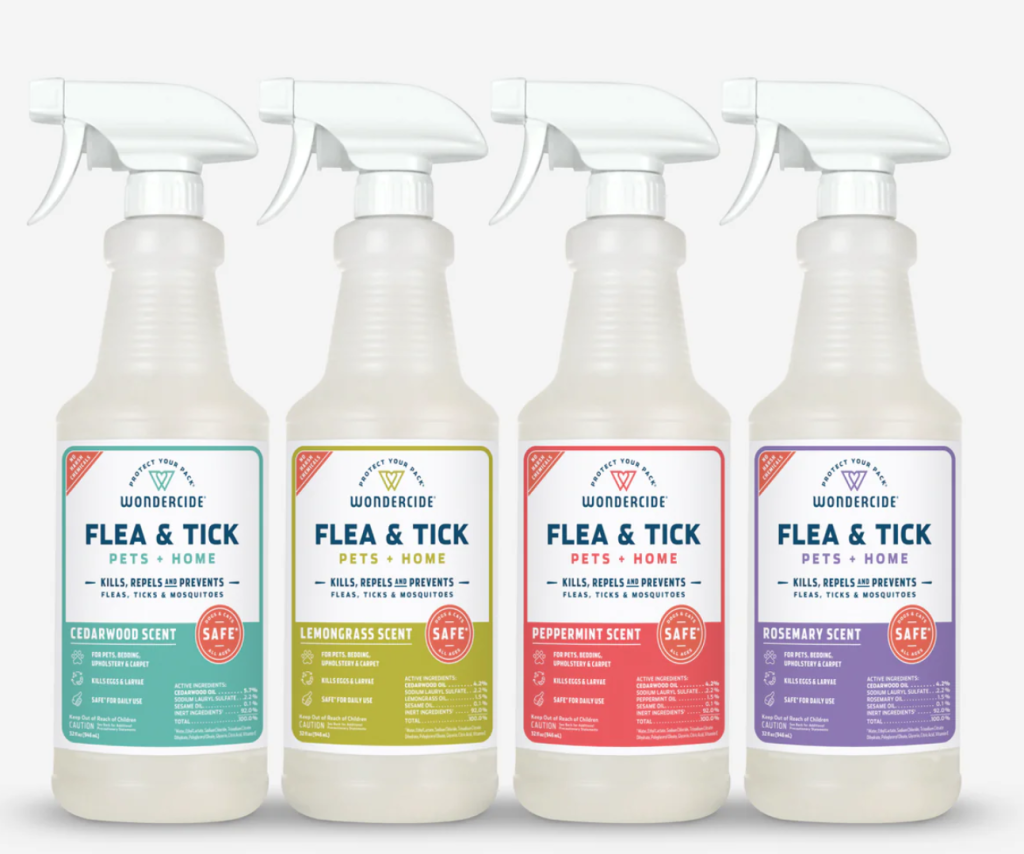
Politics. Plagues. Murder hornets, oh my. Do we have the woes. In honor of World Pest Day, June 6, Wondercide is guiding families through the maze of worry to protect against what’s bugging Americans: bugs. Here are some of the most common pests and how to avoid them.
Here come the ticks and fleas. They’re not just a nuisance – they’re serious pains.
It’s the season for fleas and ticks which thrive and hide in bushes and brush. Ticks take advantage of potential hosts that walk by their hiding places. While these pests are so small they don’t attract much attention, they’re ready and willing to latch onto animals like deer, mice, cats, dogs and even people.
Fleas aren’t just unpleasant; they can be downright dangerous. Fleas are parasites that live on the exterior of the host. If left untreated, fleas can cause skin irritation and allergic reactions in pets and even lead to anemia. They can also be a trigger for human allergies. The best way to avoid flea and tick infestations is through prevention by treating both pets and the home regularly.
Many pet parents purchase a flea and tick collar and call it a day, but that’s not the only way to repel them. Sprays are also available like a plant-powered flea and tick spray that allows pets to be outdoors without the bother of fleas and ticks. Pets should be checked regularly for signs of fleas and ticks. Once a home has fleas it can take months to get rid of them due to the flea’s long lifecycle according to the Centers for Disease Control. For the whole family, stay protected from ticks with a lab proven Insect Repellent
Mosquitoes suck.
Mosquitos are a pest you don’t want to mess with. With 3,500 species of these flies, they’re a growing concern. Just listen to the news. And it’s not only for humans—mosquitos are equal-opportunity offenders. They bite dogs and cats too, which can leave swelling, redness and hives. Prevent mosquitos with outdoor pest control like Mosquito yard spray which can be applied before spending time outside, before a big party or event.
To avoid mosquitoes, homeowners can remove sources of standing water in the yard– eliminating areas where they lay eggs. Even a small amount of stagnant water can serve as a breeding ground. This includes changing water in birdbaths, getting rid of debris that can collect rainwater and even cleaning gutters. Planting certain herbs also keeps these bugs away like: Citronella, lemongrass, rosemary, catnip, bee balm, ageratum, peppermint and basil.
Ants, roaches and other uninvited guests.
One of the best parts of spring and summer is opening the windows and hosting picnics and BBQs. But these events can be hindered when ants and cockroaches show up uninvited. These bugs love to get into places with food and moisture and they’re not exactly the cleanest of guests.Cockroaches are attracted to cracks or crevices, small spaces in the home. They gather where there is moisture buildup in basements, attics, kitchens and bathrooms, especially under sinks, in drains and under appliances. While ants love to inhabit areas with any kind of food source especially sugar.
Keep these pests away by checking and fixing any potential water leaks in the home. Cover trash bins, open container food items – and clean up any sugary spills quickly. In addition, using yard sprays will kill and repel ants and roaches so it’s a good idea to use as directed, with two initial sprays a few days apart when you start using it, then a monthly application to keep things under control. The yard sprays are safe for the beneficial bugs too, like bees and butterflies.
Indoor Ant & Roach spray for the home and kitchen. It’s an aerosol spray that’s powered by carbon dioxide and safe around the whole family when used as directed. Use along baseboards, around windows and doors, in kitchens, in pantries, under beds, around sinks, under sinks and anywhere needed to kill and repel ants, roaches, and many more bugs including:
● Earwigs
● Leaf-footed bugs
● Stink bugs
● Centipedes
● Sow bugs
Shoo fly to the fruit fly.
Fruit flies are devious. They can ride into a home on a simple piece of fruit or squeeze through windows that are seemingly weather-tight – and once in, they seem nearly impossible to get rid of. In fact, a single fruit fly can lay up to 500 eggs in a week! They multiply fast which can quickly overwhelm a household. These flies are annoying and can cause all sorts of issues. So, even if you could ignore them, you shouldn’t.
According to Pest Week fruit flies are attracted to anything that is decomposing in a moist and warm environment, like decaying fruit. This includes open beer and soda cans that are left out. This explains their constant presence in the kitchen, bathroom and garbage containers. Cleaning up these areas and disposing of ripe fruit from counters or open trash compartments helps this problem.
DIY fruit fly traps include a mixture of apple cider vinegar and water. Another option is to purchase a Fruit Fly Trap. Place traps near the source of the annoying fliers, and let the power of nature take care of nature. Another good thing: The self-contained trap with the perforated top keeps little paws and fingers out.
Murder hornets. What?
Wasps, hornets, yellow jackets and murder hornets are the ultimate party crashers with stings that hurt. Murder hornets are the world’s largest hornet, with a body length of up to two inches and a wingspan of over three inches. The nickname “murder hornet” comes from their aggressive behavior towards honeybees and their ability to decimate entire colonies in just a few hours.
Murder hornets pose a threat to America’s honeybee population, which is already struggling due to factors such as habitat loss, disease and conventional pesticide exposure. Honeybees are crucial for pollinating many of the fruits, vegetables, and nuts that make up a large portion of our diet. Without honeybees, our food system could be severely impacted. Thank goodness the residue from Wondercide’s yard sprays is safe for the pollinators.In addition to the threat to honeybees, murder hornets also pose a danger to humans. While their sting is not typically fatal to humans, it can be extremely painful and potentially life-threatening to those who are allergic. Some people have described the sting as feeling like “hot metal driving into their skin.” Major ouch.
Planting certain herbs like basil, mint, thyme, wormwood, spearmint, lemongrass and marigold, deter wasps and hornets. To deal with wasps and hornets, yellow jackets, and open-faced hives, consider a spray like Wasp & Hornet Spray for porch & patio or to bee-free of the aggressive stingers!
Solutions to your woes.
What if you thought you were protecting the ones you love, when you were accidentally causing harm? That’s the beginning of Stephanie Boone’s discovery, when her vet suspected her dog, Luna, had pesticide poisoning from commonly-recommended flea-and-tick medication and quarterly pest control services. The devastating side effects included chronic skin issues, liver and kidney failure, and seizures. Stephanie’s mission of innovating plant-powered pest protection came to fruition, and Wondercide was born.
Stephanie and the Wondercide team don’t want anything bugging you or your pets. With a mixture of fierce love and proven, scientifically-effective formulas, woes can officially bug-off.
Learn more about the woes we go through with ticks, mosquitoes, and other pests by reading this fact-filled article on The WonderSide®, Wondercide’s lifestyle emagazine.