-
Vote for @Canadapooch Contest
Jacob and I just submitted a photo for this contest! It ends on Monday so please go vote!


VOTE HERE: http://woobox.com/eqwtzh/vote?web=1
-
Win the @taggtracker TAGG Pet Tracker
 YOUR MICROCHIP IS NOT ENOUGH.If your pet is lost, a microchip won’t alert you or show you where she is. With Tagg GPS tracking, receive alerts and find your pet on a map NOW. This is a perfect addition for your dog’s collar. The TAGG is a water resistant, easy to clip GPS location device.
It is also like a Fitbit for dogs where it can monitor their activity levels. It comes with its own charging port and will last around 2 weeks per charge. When it is within the proximity of the base, it will also charge. Set the neighborhood range ‘Tagg zone’ for your dog and your home. When it take him/her for a walk, press a button so it turns off the alerts! But if you are not in walk mode and your dog is out of the range – you will immediately get a text to your phone and email to let you know. I can think of a few wandering pups my friends own!
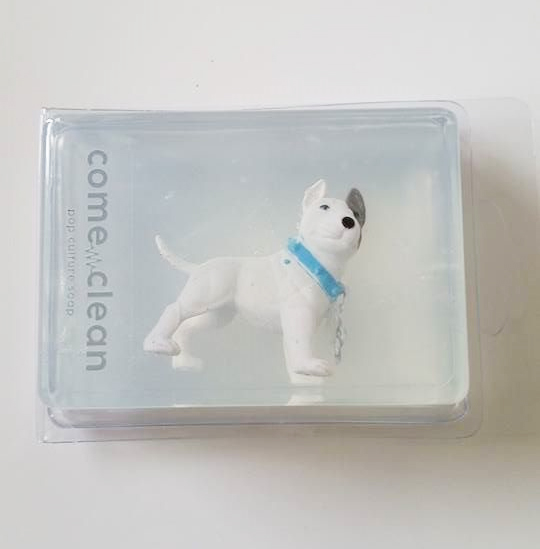
This could be the best pet product you get to save your dog’s life! If you want to win this device and a Come Clean Soap, ENTER below!
Check it out on Amazon or Pettracker.com
-
Petco Pulls All China Made Dog Products off Shelves!
By now you’ve heard about Petco’s plans to stop selling China-made dog and cat treats in its more than 1,300 locations at the end of this year.
With more than 1,000 dog deaths and nearly 5,000 illnesses reported by the FDA, Petco is the first national pet retail chain to take action, but others are likely to follow suit.
Given growing concerns over imported pet food, pet retailers are now boasting a “Made in the USA” label, and an industry shift to “human grade” – the ultimate seal of safety – is next.
More reason to get #ComeClean soap from my Etsy store! All Natural and hand poured in NYC!! 🙂 definitely human grade!
-
Don’t Leave Your Dogs in the Car!
Sitting in a hot car can pose a serious threat to canines’ health. To help raise awareness of this issue, Pets Best Insurance Services, LLC is offering a photo and blog article containing a useful breakdown of how hot a vehicle’s interior can become in specific amounts of time.
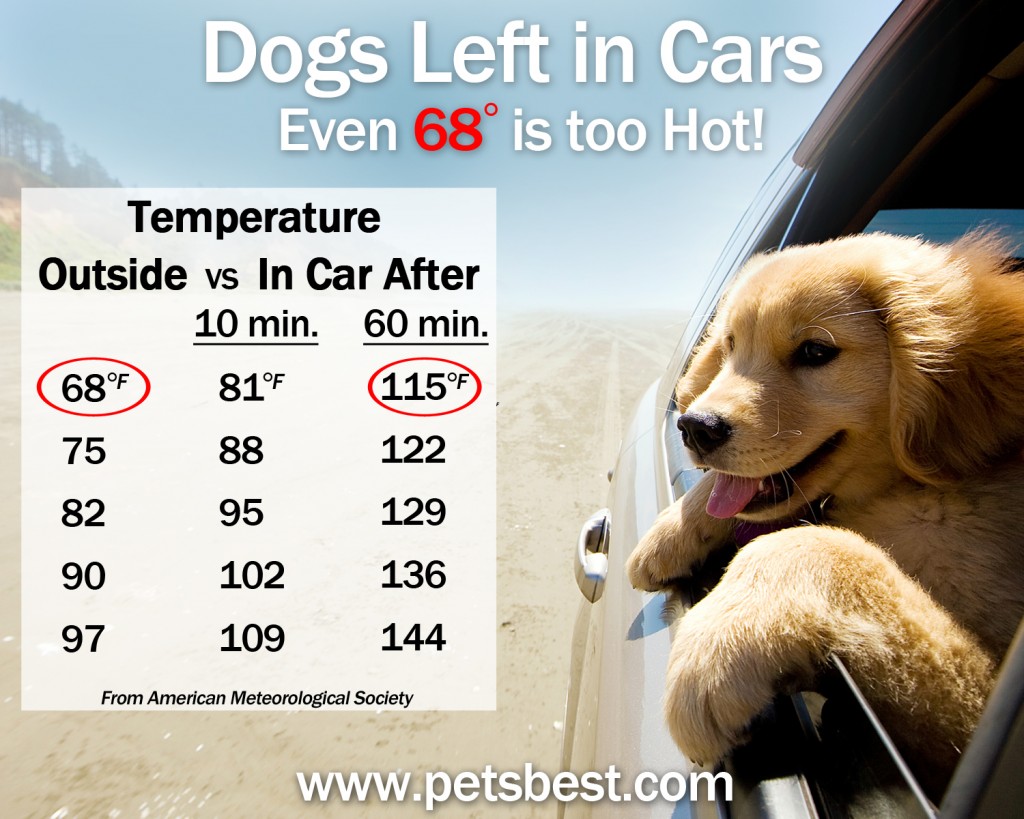
If a car is sitting outside and not running when it is 68 degrees, the temperature of the car’s interior can jump to 81 degrees within 10 minutes. The temperature can reach up to 115 degrees in an hour.
If a car is sitting outdoors when it is 90 degrees, the interior can reach up to 136 degrees within an hour.
Additional details about high temperatures inside vehicles are available in the informative photo from Pets Best that is attached and pasted below. More information is also available in this Pets Best blog article:http://www.petsbest.com/blog/dogs-left-in-hot-cars/
If a dog is left inside a hot car that isn’t running, the animal is vulnerable to heat stroke. This can lead to damage to the brain and other organs.
You May Also Like

Easy Walk with @CoLeash
@PetFinder Seal of Approval

Saturday with the @Supercollar
-
Check out #ComeClean Dirty Dog Shampoo Bar!
Check out the ROSE GERANIUM All Natural Dirty Dog Shampoo Bar for tick prevention!


If you take your dog outdoors this summer, tick prevention should be high on your list. Lyme disease is carried by ticks and they are deadly to dogs. Use the shampoo regularly to help you dog stay healthy this summer!
You can get it at my Etsy store – Just click the SHOP HEYDOYOU button on the top right corner 🙂
-
Answers to the Top 3 Canine Heartworm Questions
Answers to the Top 3 Canine Heartworm Questions
By Dr. Marc Edward, a veterinarian and writer for Pets Best, a pet insurance agency for dogs and cats.

1) What are heartworms, and how do dogs get them?
Heartworm disease, or dirofilariasis, is a potentially serious disease seen primarily in dogs throughout the United States and other areas. Heartworm disease is transmitted by mosquitos, which means dogs that spend even a short amount of time outside are susceptible to the disease.
Transmission occurs when a mosquito bites an infected host that is shedding microfilariae, or immature heartworms. The microfilariae develop within the mosquito until it bites a new host and the larvae are transmitted. This is important because without the mosquito, heartworm disease cannot be contracted. Once inside the new host, the heartworm larvae migrate and develop until reaching their ultimate destination in the pulmonary arteries. Once in the pulmonary arteries, the adult heartworms start producing microfilariae and the life cycle starts over.
2) What are the signs and symptoms of heartworm disease?
Due to the systemic nature of heart problems, many different symptoms are possible with heartworm disease. However, dogs with heartworm disease are generally classified into one of four categories of symptom severity:
- Class 1 animals generally have no clinical symptoms, with the exception of a possible mild cough.
- Class 2 dogs may experience coughing, fatigue and weight loss, but not heart failure.
- Class 3 canines may have constant fatigue, persistent coughing, difficulty breathing, liver problems and may experience congestive heart failure.
- Class 4 dogs have all of the previously mentioned symptoms and often experience liver failure, low blood pressure, shock and death.
3) How is heartworm disease prevented and treated?
Preventing heartworm disease in canines is very easy, relatively inexpensive and generally safe. Heartworm disease can easily be prevented by administering a monthly preventative heartworm medication. There are a variety of products available in today’s market, but they do require a prescription from a veterinarian. Additionally, many heartworm products also help prevent and treat other types of parasites. Your veterinarian can help you decide which product is best for your dog in your area.
Treating heartworms in a dog can range from very easy to very difficult. In mild cases of heartworm disease, an animal may be able to be treated with a series of injections to kill the adult heartworms. In more severe cases, surgery may be necessary to remove the worms. Some cases with heavy infestations cannot be treated successfully.
Heartworm disease is a common and widespread problem in dogs. I strongly recommend talking with your veterinarian about the best way to control and prevent this mosquito-driven disease. The Pets Best BestWellness plan covers preventative heartworm medication.
To learn more about Pets Best, visit www.petsbest.com.